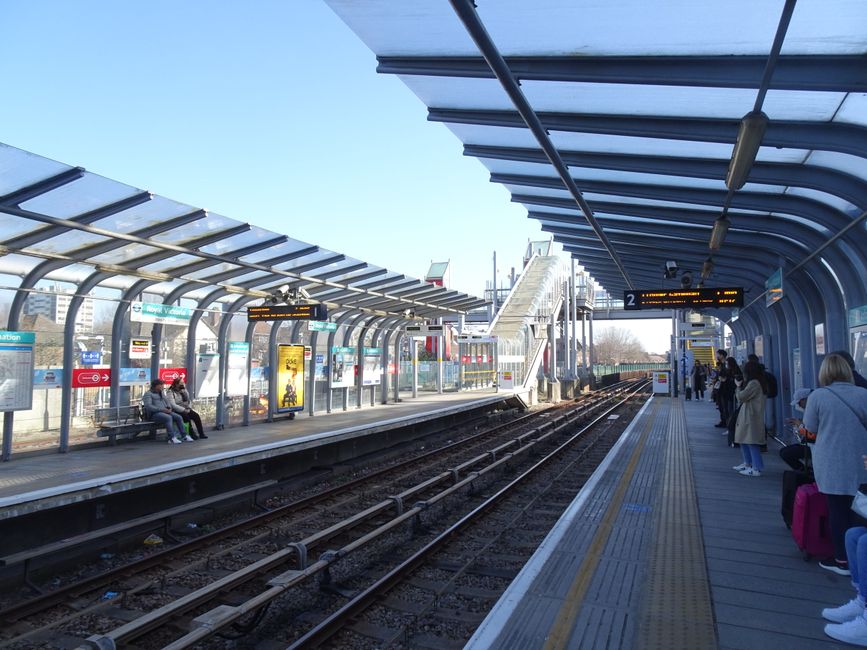
Clapham Junction station access guide for removals
Moving near Clapham Junction can be straightforward on paper and surprisingly awkward in real life. Busy roads, tight residential streets, rail-station traffic, parking pressure, and awkward building access all add up fast. If you are planning a move in this part of South West London, a solid Clapham Junction station access guide for removals can save time, reduce stress, and help the whole day run without those annoying little delays that somehow become big ones.
This guide walks you through the access issues that matter most, how removal teams usually plan around them, what to check before moving day, and where people often trip up. Whether you are moving a flat near the station, handling an office relocation, or just trying to get a sofa through a narrow stairwell without drama, the details below should help. Truth be told, it is often the small stuff that decides whether a move feels controlled or chaotic.
For general moving support, it can also help to look at removal services, especially if you want a team that understands London access quirks, parking rules, and building restrictions. Not glamorous, perhaps, but very useful.
Table of Contents
- Why Clapham Junction station access matters for removals
- How station access planning works
- Key benefits and practical advantages
- Who this is for and when it makes sense
- Step-by-step guidance
- Expert tips for better results
- Common mistakes to avoid
- Tools, resources and recommendations
- Law, compliance, standards and best practice
- Options, methods, or comparison table
- Case study or real-world example
- Practical checklist
- Conclusion
- Frequently asked questions
Why Clapham Junction station access guide for removals Matters
Clapham Junction is one of those places where access can change from one street to the next. You might have a wide main road on one side, then a tight side street with parked cars, rail bridges, bus stops, or loading restrictions just around the corner. For removals, that matters a lot. A van can only park where it can safely stop. Porters can only carry items so far before time and risk start creeping up. And if access is poor, even a simple one-bedroom move can feel like a tactical exercise.
This is why a proper access guide matters. It gives you a clear picture of the route, the loading point, the building entrance, the stair access, the lift situation, and any restriction that may affect the move. It also helps you estimate the right vehicle size and crew size. If you get that wrong, the whole day can become a shuffle of re-parking, extra carrying distance, and not enough hands for heavier furniture. Nobody wants that at 8:15 on a wet London morning.
Near a major transport hub like Clapham Junction, there is another layer too: traffic flow. Station-adjacent roads can be busy at peak times, and even a short hold-up can affect a timed slot. So yes, access planning is not just admin. It is part of the move itself.
Expert summary: In our experience, the best removals around Clapham Junction are the ones planned around access first and packing second. Sounds backwards, but it works. If the van can park, the crew can work. If the crew can work, everything else gets easier.
How Clapham Junction station access guide for removals Works
The process is simpler than people expect, but it does need a bit of care. A removals team will normally assess the property type, access route, vehicle access, and any constraints around the station area. From there, they decide how to approach loading and unloading in a way that is safe, legal, and efficient.
In practical terms, that means checking things like:
- Whether there is direct vehicle access outside the property
- How far the van will need to be parked from the entrance
- Whether the street is narrow or often congested
- If there are stairs, lifts, or long internal corridors
- Whether large items need dismantling before moving day
- If parking restrictions, permits, or time windows apply
On a typical London move, a good removals plan starts before the van arrives. Photos help. A quick video walkthrough helps even more. If the team knows there is a tight corner, a third-floor walk-up, or a front door that opens awkwardly onto the pavement, they can adapt early instead of making rushed decisions on the day. That is the difference between a smooth unload and a mildly stressful scramble.
Many customers also choose a service package that includes packing support, especially when access is tricky. If that sounds useful, take a look at packing and unpacking services. Good packing and good access planning work hand in hand. One without the other, well, you feel it later.
Key Benefits and Practical Advantages
The biggest benefit of a Clapham Junction station access plan is control. Once you know where the van can stop, how long the carry is, and which entrance will be used, you can predict the rest much more accurately. That may sound basic, but in removals, basic clarity is gold.
What people gain from planning access properly
- Less wasted time: the crew starts working instead of circling for space.
- Lower handling risk: fewer unnecessary lifts and less carrying over long distances.
- Better protection for furniture: fewer awkward turns through tight entrances and stairwells.
- More accurate quotes: access details help removals companies size the job properly.
- Less stress on moving day: because the plan is already mapped out.
There is also a practical cost angle. When access is poor, jobs may take longer. That may affect the number of crew hours or the vehicle size needed. It is not always expensive, but it can be more costly if the access surprises everyone. Better to spot that early than discover it when a wardrobe is halfway down a staircase and the van is three doors away. Not ideal.
For larger or more complex moves, you may want a company that regularly handles different property types and access conditions. Pages like home moves and office removals can help you understand the kinds of support available if your move is residential, commercial, or somewhere in between.
Who This Is For and When It Makes Sense
This guide is for anyone moving in or around Clapham Junction, but it is especially useful if your property sits close to the station or on a road with limited stopping space. If that sounds familiar, you already know the vibe: lots of passing traffic, pedestrians moving quickly, and not a huge amount of room to be experimental with a removal van.
You will get the most value from this kind of planning if you are:
- Moving from a flat above a shop or in a converted house
- Living on a narrow residential road near the station
- Organising an office relocation with equipment and furniture
- Handling a move with large, heavy, or fragile items
- Unsure whether the van can park close enough to the entrance
- Trying to avoid disruption during busy commuting hours
It also makes sense if you are comparing removal options. A standard van service may be perfectly suitable for a straightforward flat move, but a more complex access setup may justify a different vehicle size or extra crew. If you are still working out what kind of help fits best, browsing man and van and removals options can be a useful starting point. The right choice is usually the one that matches access, not just volume.
And yes, sometimes people only realise the access issue after they have started boxing up the kitchen. Happens more often than you'd think. A bit late then, but still fixable.
Step-by-Step Guidance
Here is a practical way to approach removals access near Clapham Junction without overcomplicating it. Keep it simple. Keep it honest. And check the bits people often forget.
1. Confirm the exact property entrance
Start with the actual entrance your movers will use, not just the front of the building. Some properties have multiple doors, side gates, internal courtyards, or shared hallways. If the movers arrive at the wrong point, even for five minutes, that delay tends to snowball.
2. Measure the carry distance
Measure the rough distance from the likely van position to the door. This does not need to be engineering-level precision. A sensible estimate is usually enough. The point is to know whether movers will be carrying items a few metres or a much longer stretch. That one detail can change the pace of the whole job.
3. Check parking and stopping restrictions
Look for loading bays, permit-only bays, yellow lines, or timed restrictions. Near busy transport locations, parking can be the single biggest access issue. If you are not sure, it is safer to assume the first obvious space may not be available for long. London moves do not always reward optimism. Slightly annoying, but true.
4. Flag internal obstacles
Inside the property, note stairs, narrow landings, low ceilings, tricky corners, and delicate fittings. A bulky sofa might turn fine in the hallway and then refuse to cooperate at the first stair bend. You know the kind of thing. A quick measure of door widths and stair turns can save a lot of grief later.
5. Decide what should be dismantled
Some pieces are easier and safer to move in parts. Beds, large wardrobes, and some desks often move better dismantled. If you leave this decision until moving day, the crew may need to improvise. Better to make the choice ahead of time.
6. Plan the loading order
Heavy and awkward items usually go in first, but the order should still reflect access. If the carry is long, you want the most important items secured quickly and the path kept clear. Think of it like a tidy relay rather than a chaotic chain of hands.
7. Share photos or a quick walkthrough
Photos of entrances, staircases, parking spots, and any access pinch points are incredibly useful. A short phone video can be even better. Not fancy. Just useful. And on moving day, useful wins.
8. Confirm arrival timing
Timing matters near Clapham Junction, especially if traffic builds around commuting peaks. A sensible window can make loading easier and reduce the risk of being boxed in by cars or pedestrians.
If you are arranging a more tailored move, services such as man and van removals or house removals may be worth comparing depending on how much you are moving and how awkward the access looks.
Expert Tips for Better Results
Once the basics are in place, a few small choices can make a surprisingly big difference. These are the sorts of things experienced movers notice quickly.
- Use realistic time windows. If the access is tight, avoid over-promising how quickly loading will happen.
- Keep hallways clear before the team arrives. Shoes, recycling, bikes, and plant pots all slow things down more than people expect.
- Protect both sides of the move. Door frames, banisters, and floors are easy to mark when the access route is narrow.
- Label fragile items clearly. It sounds obvious, but in busy moves, obvious details are the ones that get missed.
- Have a plan for keys and entry codes. One missing key can stall a whole schedule.
A small but useful habit: stand outside your property at the time of day the move is likely to happen. Listen for traffic. Watch where cars naturally stop. Notice whether a delivery van would realistically fit. It takes two minutes and can reveal more than ten messages back and forth. Sometimes the street itself tells you everything.
If the move includes furniture disposal or pickup, it may also help to coordinate that separately through furniture pick up. That can free up space before the main removal starts, which is a very underrated bit of planning.
Common Mistakes to Avoid
Most access problems are avoidable. The annoying part is that they are often caused by tiny oversights rather than dramatic failures.
Underestimating carry distance
A van parked "nearby" can still mean a surprisingly long carry if there are barriers, one-way systems, or no direct access. That extra distance matters for time, energy, and safety.
Forgetting about the building type
Flats, maisonettes, converted houses, office suites, and mixed-use buildings all behave differently. A building that looks simple from the outside may be a bit of a maze internally.
Assuming a standard van will fit anywhere
Vehicle choice should match the street, not the wishful thinking. A larger van is not automatically better if the road layout is awkward. Sometimes a more nimble setup is the smarter call.
Leaving packing too late
When items are still loose, access gets harder because the team is now handling both packing and carrying under time pressure. That is when the day starts to feel messy.
Not checking local parking realities
Even if a location looks fine on a map, the real-world parking picture may be very different. Satellite images are helpful, but they do not show midday congestion or the space a full-size van actually needs to manoeuvre.
Skipping a quick access briefing
If the moving team arrives without the key details, they will need to ask questions on the spot. Better to brief them once, properly, before the work starts.
Let's face it, nobody enjoys repeating themselves while carrying a mattress down stairs. Not exactly a dream morning.
Tools, Resources and Recommendations
You do not need specialist software or a huge spreadsheet to plan access, but a few basic tools make life easier.
- Phone photos: capture the street, entrance, staircase, and any parking signs.
- Measuring tape: useful for door widths, hallway gaps, and stair landings.
- Simple checklist: keep the essential details in one place so nothing gets lost in messages.
- Floor plan: especially helpful for flats and offices with shared corridors or awkward layouts.
- Room labels: make unloading easier if items need to go to specific floors or rooms.
For moves involving shared buildings or commercial properties, it can also help to compare broader support options such as office relocation services and commercial moves. Those services usually involve more coordination, more timing sensitivity, and sometimes more access planning than a standard domestic move.
If you want to understand how a provider handles safety, pricing, and customer expectations, it is sensible to review pages like insurance and safety and pricing and quotes. That gives you a better sense of what is included and what questions to ask before booking.
Law, Compliance, Standards and Best Practice
Access planning around Clapham Junction is not just about convenience. It also touches on safety and local compliance. While the exact requirements depend on the property and street, there are a few general best-practice points worth keeping in mind.
First, parking and stopping rules matter. If a van blocks traffic, sits in a restricted bay, or creates a hazard, that can quickly become a problem. Removals teams should work within the local rules that apply on the day, even if that means adjusting the plan. Second, lifting and carrying should be done safely. Heavy items, narrow stairs, and awkward turns all increase the chance of strain or damage if the job is rushed.
Third, many buildings have their own access expectations. That may include booking lift slots, using service entrances, protecting communal areas, or following concierge instructions. These are often practical building rules rather than legal drama, but they still matter. If a move ignores them, people notice. And not in a good way.
From a standards point of view, a trustworthy removals company should be able to explain how it handles risk, protects goods, and manages access safely. If you want more background on those expectations, the company's public policies such as health and safety policy, terms and conditions, and privacy policy can be useful reading. That does not replace a site survey, of course, but it helps you judge how seriously the basics are taken.
One more thing: if you are unsure about the access setup, ask before moving day. It is far easier to clarify details early than to sort them out with a loaded van idling outside. Been there, seen that, not ideal.
Options, Methods, or Comparison Table
There is no single best way to handle removals access near Clapham Junction. The right method depends on property size, vehicle access, and how awkward the route is. Here is a simple comparison to help you think it through.
| Method | Best for | Pros | Trade-offs |
|---|---|---|---|
| Small van / man and van | Compact loads, tight streets, short carries | More flexible around narrow roads and access restrictions | May need more trips for larger moves |
| Standard removals van | Typical flat or house moves with manageable access | Good balance of capacity and practicality | Can be harder to park on very tight streets |
| Full removal truck | Large moves with good road access | High carrying capacity, fewer trips | Not always suitable near busy station roads or narrow lanes |
| Pre-packed staged move | Busy households, awkward buildings, or time-sensitive moves | Reduces moving-day pressure and keeps access clear | Needs more planning beforehand |
In many Clapham Junction cases, the most efficient method is not the biggest vehicle. It is the one that can access the property cleanly and complete the job with the least friction. Size matters, but so does manoeuvrability. Very British sentence, that.
Case Study or Real-World Example
Here is a realistic example based on the sort of move people often face near the station. A couple are leaving a two-bedroom flat in a converted property a short walk from Clapham Junction. The building has a narrow entrance, stairs up to the flat, and no easy parking directly outside. On paper, the move looks ordinary. In practice, access is the main challenge.
Instead of waiting until the day itself, they send photos of the hallway, the front entrance, and the nearby street parking. They also measure the sofa, bed frames, and the larger wardrobe. That reveals two useful facts: the wardrobe needs dismantling, and the van should not rely on parking directly outside the building. A smaller vehicle with a clear loading strategy is the better option.
On moving day, the team arrives with the right equipment, knows the likely carry distance, and starts loading in an order that keeps the path clear. Because the access plan was set early, there is no last-minute debate about whether the van can squeeze into a tighter space or whether the building door can stay open safely. The move still takes effort, of course. It is moving. But it feels organised rather than frantic.
That is the real value of access planning. It does not make moving fun, let's not pretend otherwise. It just stops the day from becoming harder than it needs to be.
Practical Checklist
Use this checklist before moving day. It is simple, and that is exactly why it works.
- Confirm the exact address and entrance the team should use
- Check whether the street has parking or loading restrictions
- Estimate the carry distance from van to door
- Measure doorways, stairs, and awkward furniture pieces
- Decide which items should be dismantled in advance
- Share photos or a walkthrough video of the access route
- Tell the team about lifts, codes, intercoms, or concierge checks
- Clear hallways, entrances, and landing areas before arrival
- Keep valuables, documents, and essentials separate
- Double-check timing if the move overlaps with busy station traffic
Quick takeaway: if you can explain the access in a minute or two, your removals team can usually plan it well. If the explanation takes ten minutes and several "oh, and another thing" moments, it probably needs a proper pre-move review. Nothing wrong with that, by the way. Better to know now.
Get a free quote today and see how much you can save.
Conclusion
A good Clapham Junction station access guide for removals is really about one thing: removing uncertainty before it turns into delay. When you understand the loading point, the route, the parking, and the building access, the move becomes much easier to manage. That applies whether you are shifting a few rooms, an entire household, or an office full of equipment.
The best moves near the station are usually not the ones with the biggest vehicle or the fastest crew. They are the ones where access was thought through early, communication was clear, and the day was allowed to run at a sensible pace. A bit of planning goes a long way. Quite a long way, actually.
If you are getting ready for a move in the Clapham Junction area, take a breath, gather the key details, and make the access plan before lifting the first box. It makes the whole process feel lighter. And on moving day, lighter is good.
Frequently Asked Questions
What is a Clapham Junction station access guide for removals?
It is a practical way of planning how a removals van will reach your property near Clapham Junction, where it will park, and how items will be carried in or out safely and efficiently.
Why does access matter so much near Clapham Junction?
The station area can be busy, with traffic, limited parking, and a mix of property types. Good access planning reduces delays, lowers handling risk, and helps the move stay on schedule.
Do I need a larger removal vehicle if I live near the station?
Not always. Sometimes a smaller, more flexible vehicle is better for narrow roads or difficult parking. The right choice depends on access, not just how much you are moving.
Should I measure my doorways and stairs before the move?
Yes, especially if you have large furniture or awkward corners. A few quick measurements can prevent problems with sofas, beds, wardrobes, and other bulky items.
How far in advance should I plan removals access?
As early as possible. Even basic access details help a removals team plan vehicle size, timing, and the loading approach. Early planning usually means fewer surprises later.
What should I tell the removals company about my building?
Share the type of property, floor level, lift access, stair layout, entry codes, parking restrictions, and any awkward features such as narrow halls or shared entrances.
Can removals be done during busy commuter times?
They can, but it may be less convenient. Around a major station, traffic and parking pressure can be worse at certain times of day, so many people prefer a more flexible window.
What if there is no parking right outside my property?
That is common in London. The removals plan should account for the carry distance and any legal stopping options nearby. A short walk with the right plan is much better than a risky stop in the wrong place.
Do I need to dismantle furniture before moving day?
Not always, but larger pieces often move more easily if they are partially dismantled. It depends on the item, the access route, and how much space you have to turn it.
Is packing help useful when access is difficult?
Yes, it often is. If access is tight, a packed and clearly labelled load can save time and reduce stress. Services like packing and unpacking support can make the whole move smoother.
What are the most common mistakes people make with access planning?
The biggest ones are underestimating carry distance, forgetting about parking restrictions, leaving packing too late, and not telling movers about stairs, lifts, or building rules.
How do I know which type of removals service I need?
Think about the size of the move, the type of property, and how easy it is for a van to park close by. A simple flat move may suit a man and van setup, while larger or more complex moves may need fuller removals support.